Recent Posts
- Die Strudlhofstiege 3 "Primzahl des Lebens" (S.24-42)
 January 3, 2024
 - Die Strudlhofstiege 2 "Dämonie der ruhenden Umgebung" (S.16-24)
 December 30, 2023
 - Die Strudlhofstiege 1 "Interventionismus" (S.9-16)
 December 30, 2023

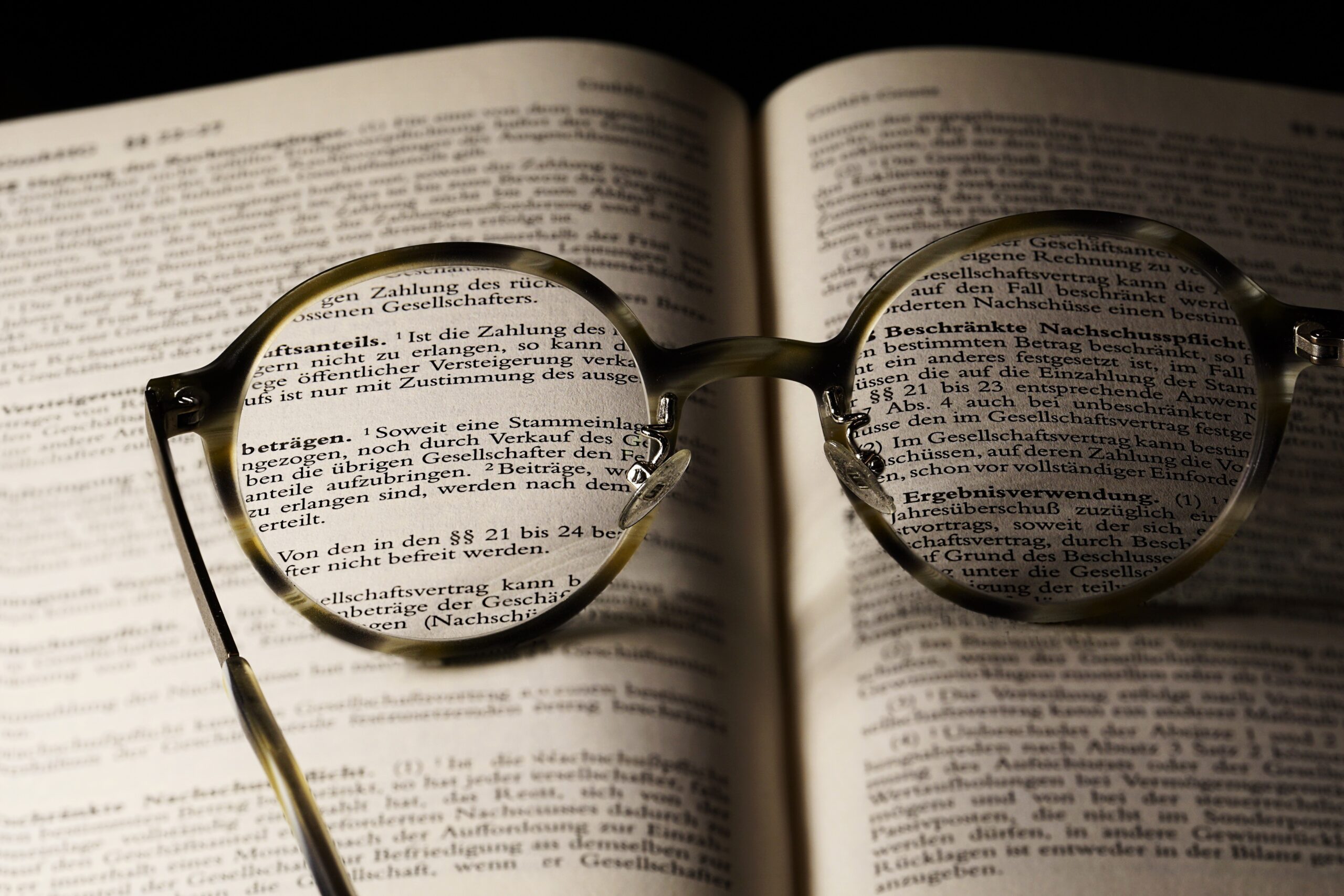
Whilst munching through Wolfgang Fleischer’s monumental Heimito von Doderer biography “Das verleugnete Leben” I couldn’t help to observe the multitude of fascinating aspects of someone’s life and the all too human failures that come with it. Of course in today’s climate of all encompassing moral rectitude a compromised biography such as Doderer comes under heavy critique, and that coincides with the perceived deficiencies of his literary output as he didn’t march along with Hermann Broch’s verdict that all literature needs to be progressive to have any validity. Otherwise it might well be considered “Kitsch”, and that is what Broch thought about that one: “The maker of kitsch does not create inferior art, he is not an incompetent or a bungler, he cannot be evaluated by aesthetic standards; rather, he is ethically depraved, a criminal willing radical evil.”
“A criminal willing radical evil.” A stunning statement that relegates most literature for entertainment purposes, such as mystery novels, to the dustbin. Such a view clearly goes along well with today’s level of tolerance and is a paradoxical confirmation of Adorno’s belief that ‘enlightenment'(?) in history leads to intolerance and ultimately barbarism.
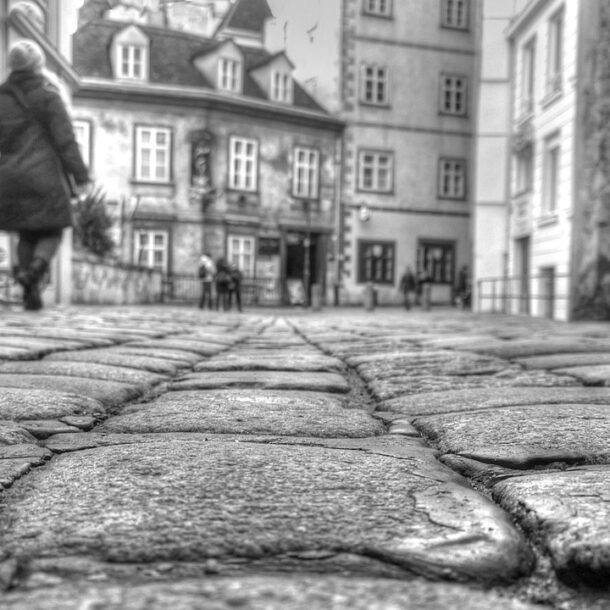
And Doderer for sure was a strange fellow: in none of his major novels “Die Strudlhofstiege” and “Die Daemonen” are there any remarks regarding the politically tumultuous developments. The Nazi years don’t seem to exist, and on another surrreal note the weather in Vienna always seems to be at the height of summer.
As realism isn’t quite the goal here, nor is a detailed political analysis of the time the novels are set in, why would one bother with reading these monumental books?
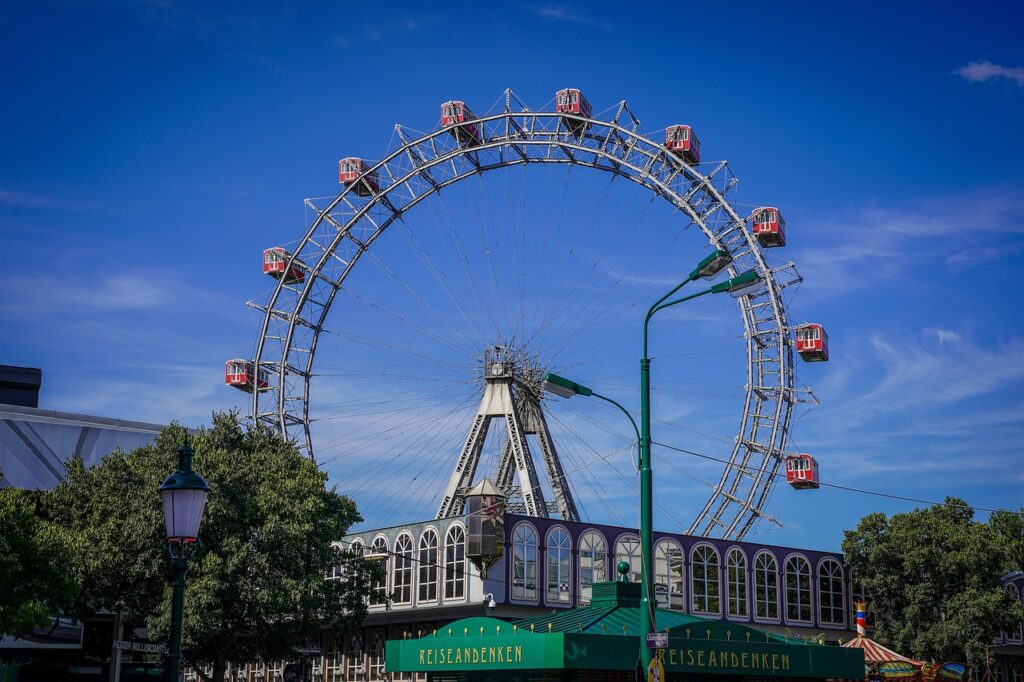
Doderer is obsessed with the most detailed descriptions of people’s interactions, with their inner life, which comes with a dismissive neutrality towards outside developments. It seems his protagonists simply get thrown around by forces unbeknownst to them. No moral judgements here either, as there is no right or wrong, just the webwork of human existence and the never ending change of situations.
The question is whether his style and ideas are simply traditional or is there more to it?
Doderer’s language is one of the most finely tuned I have come across in 20th century literature. The nuances and the confusion and restlessness of the language create an evocation of insecurity in the minds of the characters themselves. Language is of essence for communication between characters and it is through that concept that the novel moves on and illuminates the external and internal world of the protagonists. The inner monologue of Virginia Woolf springs to mind, though Doderer’s subtext and settings clearly refer to Vienna in the early 20th century, and from that point of departure everything is referred to. The novel has passages where a narrator is at hand, but also frequent switching of perspective and timezone. A multitude of over fifty characters are introduced, they come and go and disappear. This floating and difficult to follow concept is mirrored by the at times effusive language, which is in constant motion.
It is paradoxical that the arch conservative Doderer creates with these wavering and multifaceted angles a highly complex and somewhat modernistic novel, which in its totality creates an almost inner monologue about Vienna between the world wars.
The fabulous translation by Vincent King makes this seminal work very accessible for English readers for the first time.